Will AI Help You Get More Leads – Or Is It Just a Fad?

AI is suddenly everywhere.
It’s in your emails, your phone, your website, and apparently it’s now meant to be “sorting your leads” while you put the kettle on. According to the internet, if you’re not using AI in your marketing, you’re already behind.
Which is enough to make most sensible business owners roll their eyes.
If you run a UK business turning over between £1–10 million, chances are you didn’t get there by chasing shiny new tools. You got there by doing solid work, looking after customers, and making sensible decisions. So when someone says AI will magically bring you more leads, it’s fair to ask: will it actually help… or is this just the latest fad?
The truth is less dramatic than the headlines. AI isn’t a miracle worker, and it’s not going to replace common sense. But it’s also not going away. Used properly, it can help businesses like yours save time, respond quicker, and make better use of the leads you already get. Used badly, it just creates more noise.
So let’s strip it back and look at what AI can realistically do for lead generation, and where it’s best left well alone.
What Do We Actually Mean by “AI”?
When most people hear “AI”, they picture robots, self-driving cars, or something that’s about five years away from replacing humans entirely.
That’s not what we’re talking about here.
In marketing, AI is mostly just software that’s got a bit smarter. It looks at patterns, learns from past behaviour, and helps with everyday tasks that would normally take a human longer to do. Nothing more dramatic than that.
If you’ve ever used:
- Google Maps suggesting a faster route
- Your email filtering out spam
- Your phone finishing your sentences (sometimes badly)
…then you’ve already been using AI.
For businesses, AI tends to show up behind the scenes. It might help draft an email, reply to a website enquiry quicker, or spot which pages people actually look at on your website. It doesn’t make decisions for you, and it doesn’t understand your business better than you do.
Think of it less like hiring a marketing expert, and more like having an assistant who’s good at admin, works very fast, and never asks for a lunch break.
So… Will AI Actually Get You More Leads?
Short answer: it can, but not by itself.
AI doesn’t create demand out of thin air. It won’t suddenly make people want what you sell, and it won’t fix unclear messaging, a weak website, or a slow follow-up process. If those things aren’t working, AI will just help you do them faster… badly.
Where AI does help is in the background. It can speed things up, tidy things up, and stop good enquiries slipping through the cracks. It helps you respond quicker, stay more consistent, and spend less time on the repetitive stuff that no one enjoys.
But leads still come from the same places they always have: being clear about what you do, who you help, and why someone should choose you. AI supports that process, but it doesn’t replace it.
Used sensibly, AI can make a decent marketing setup work better. Used as a shortcut, it usually disappoints.
Where AI Can Actually Help
This is where things get useful. Not theory, just the everyday tasks that quietly eat up time in most small businesses.
Saving Time on the Bits No One Wants to Do
Writing follow-up emails, drafting social posts, or putting together basic website content all take longer than they should. AI can give you a solid first draft in minutes. It won’t sound perfect, and it shouldn’t go out untouched, but it gets you past the blank page and frees up your time for more important things.
Responding to Enquiries Faster
When someone fills in a form on your website, speed matters. AI-powered replies or chat tools can acknowledge enquiries instantly, book calls, or answer basic questions while you’re busy running the business. That alone can make a noticeable difference to how many leads turn into real conversations.
Making Sense of What People Do on Your Website
Most business owners know their website “exists”, but not what actually happens on it. AI tools can highlight which pages people read, where they leave, and what gets ignored. Not in complicated reports, just clear signals that help you improve what’s already there.
Helping Small Teams Look Bigger Than They Are
If you don’t have a marketing department, AI can act like an extra pair of hands. It helps you stay consistent, follow up properly, and keep things moving without needing to hire more people.
Used this way, AI is quietly useful, which is exactly how most good business tools should be.
Where AI Falls Short
AI isn’t clever in the way people are. It doesn’t understand your customers, your reputation, or the small details that make your business different. And that’s where problems start.
The most common mistake is using AI to churn out lots of content and pushing it out unchanged. The result usually sounds polite, confident… and completely forgettable. When everything looks the same, nothing stands out, and trust drops quickly.
AI also struggles with judgement. It can’t tell when a message feels off, when the timing is wrong, or when a personal response would matter more than speed. Those things still need a human eye.
There’s also a temptation to automate everything. Too many auto-emails, chatbots that can’t answer properly, and generic messages can frustrate potential customers rather than help them.
AI works best when it supports your thinking, not when it replaces it. Used without care, it doesn’t just fail to help, it can quietly undo good work you’ve already put in.
AI Is a Tool, Not a Marketing Plan
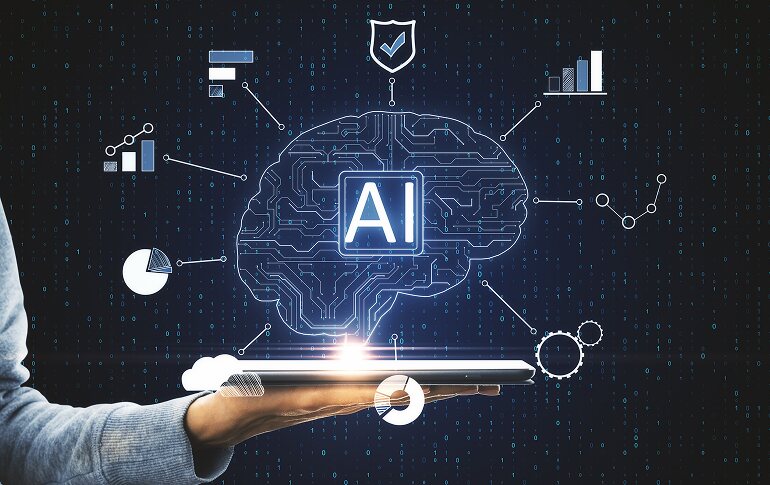
AI has been sold as something you need to “add” to your marketing, as if it’s a missing ingredient. In reality, it’s more like a power tool. Useful in the right hands; pointless, and sometimes dangerous, in the wrong ones.
Marketing still comes down to a few simple things. Can someone land on your website and understand what you do in a few seconds? Do they know who you help, what problem you solve, and what they should do next? If the answer is no, AI won’t fix that. It will just help you spread confusion more efficiently.
Where AI does work well is once those basics are sorted. It can help you respond to enquiries more quickly, keep your messaging consistent, and test small improvements without everything taking weeks. It’s good at supporting clear thinking, not replacing it.
There’s also a risk of leaning on AI too heavily. When businesses let software make all the decisions, marketing starts to feel mechanical. Customers notice. They might not say it outright, but they feel the lack of human judgement, tone, and timing.
The strongest results come when AI sits in the background, doing the heavy lifting, while real people stay in charge of the message. Used that way, it’s not a strategy, it’s a practical tool that helps a good strategy work better.
So, Is AI a Fad or Is It Here to Stay?
AI itself isn’t a passing trend. AI Software has been getting smarter for years, and that’s not about to stop. What is temporary is the noise around it, the bold claims, the promises of instant results, and the idea that it can replace proper thinking.
Most new technology goes through this phase. It’s overhyped, misunderstood, and sold as a shortcut. Then things settle down, and what’s genuinely useful quietly becomes part of everyday business.
That’s likely where AI will land. Not as a headline feature, but as something working in the background, helping businesses respond quicker, stay organised, and make better use of their time.
The businesses that benefit most won’t be the ones chasing every new tool. They’ll be the ones focusing on their customers, keeping things clear, and using AI where it genuinely makes life easier. In that sense, AI isn’t the future of lead generation. It’s just another part of how sensible businesses operate.
What UK Business Owners Should Do in 2026

The worst move is doing nothing because it all feels overwhelming. The second worst is signing up to tools you don’t really understand because everyone else seems to be doing it.
A better place to start is much simpler. Look at what you already have. Does your website clearly explain what you do and who it’s for? Do enquiries get a quick response? Do people know what the next step is once they show interest? Fixing those basics will deliver more value than any new piece of software.
Once that’s in place, AI can help in small, sensible ways. Use it to save time on drafting emails, responding faster to enquiries, or spotting patterns in what’s already happening. Start small, test it, and keep control.
You don’t need to “be an AI business”. You just need a setup that makes it easy for the right people to find you, understand you, and get in touch. Anything that helps with that, AI included, should earn its place.
What Does This Mean for Your Business?
AI doesn’t need to be the star of the show. For most growing UK businesses, it works best behind the scenes, supporting the things that already matter: clear messaging, timely follow-up, and a smooth journey from first enquiry to real conversation.
If you’re getting those right, AI can help you do them more consistently. If you’re not, it’s usually a sign to pause and fix the foundations before adding anything new.
That’s where we come in.
At TU Marketing, we help UK SMEs generate better leads by keeping things clear, practical, and focused on what actually drives enquiries. We use AI where it makes sense, ignore it where it doesn’t, and never let tools get in the way of good judgement.
If you’d like a straightforward look at what’s working in your marketing, and what isn’t, book a chat with us. Let’s talk about how to turn interest into leads that actually go somewhere.