
Is SEO Still Worth It?
SEO Isn’t Dead, It’s Matured. What Modern Businesses Must Know
Search has changed beyond recognition since the early days when stuffing a page with keywords guaranteed Google’s favour. Today, algorithms are smarter, user intent reigns supreme, and search marketing sits at the heart of every credible digital growth strategy. But 25 years on from Google’s birth, business owners and marketing directors still ask one deceptively simple question:
Is SEO still worth it?
It’s a valid question. After all, the digital ecosystem of 2025 looks nothing like it did even three years ago. AI-generated content floods search results, TikTok and YouTube dominate short-form discovery, and paid ads promise instant results that SEO cannot match. Yet, beneath the noise, one truth remains undeniable: good SEO still drives sustainable, measurable growth — when it’s done strategically.
Let’s unpack why search optimisation continues to deliver meaningful returns, how it has evolved, and what smart businesses are doing right now to keep ahead of the curve.
The Changing Face of Search
Search engines are no longer static directories matching queries to pages. They’re adaptive ecosystems powered by machine learning and multimodal understanding. That means Google now analyses not just the words on a page but the context, sentiment, and authority behind them.
Today’s SEO isn’t about trying to please the algorithms. It’s about understanding human behaviour. Modern optimisation means shaping your digital presence so search engines, and people, recognise your relevance instantly.
Think about it: your potential customers are no longer typing long queries into Chrome alone. They’re speaking into voice assistants, searching via AI chat interfaces, and using visual search to identify products from a photo. Each interaction is a chance for your brand to be discovered… or overlooked.
To remain visible in this fragmented discovery landscape, a business must align its content strategies, site architecture and technical health with the evolving intent patterns of its audience. That’s not optional anymore; that’s survival.
If you’re still navigating the transition from traditional rankings to holistic visibility, explore our SEO Strategy Development blog, it breaks down how brands can stay discoverable with SEO.
Why SEO Still Delivers High ROI
When done properly, SEO remains one of the highest-return marketing investments available. It is the slow burn that keeps delivering once the groundwork is in place. Unlike paid search, where visibility vanishes the moment you stop paying, SEO builds equity into your digital presence.
For example, optimising your site architecture improves crawl efficiency, which keeps all your content discoverable without ongoing spend. Publishing authoritative, evergreen articles turns your website into a trusted destination long after they’re written. And yes, even in the era of generative search summaries, being the original source of truth still carries weight.
A typical business investing steadily in SEO can see compounded benefits over time:
- Reduced dependency on paid advertising budgets
- Lower customer acquisition costs
- Consistent organic lead flow during economic downturns
- Stronger brand trust through visibility on authoritative searches
- Improved conversion rates due to optimised user journeys
The finance teams of any business will appreciate this: SEO’s compounding value often generates one of the best cost-per-acquisition ratios across digital channels.
If your team wants to forecast realistic SEO returns and understand how organic search outperforms paid channels over time, our blog Why SEO Matters for Your Business explores how well-executed SEO builds sustainable growth and lowers acquisition costs in the long run.
What’s Changed Since the Pandemic SEO Boom
The 2020–2023 era saw a massive surge in digital competition as businesses moved online en masse. That rapid transition reshaped the search landscape in key ways:
- Competition Intensified: Virtually every brand now invests something in SEO. Ranking positions have become harder to claim.
- AI Augmented Analytics: Tools like Google’s Search Generative Experience (SGE) blend AI summaries into results, changing how clicks are distributed.
- Content Standards Rose: Thin, unverified, or repetitive material no longer stands a chance. E‑E‑A‑T (Expertise, Experience, Authoritativeness, Trust) is the golden standard.
- User Experience = Ranking Factor: Core Web Vitals and accessibility are now as influential as backlinks once were.
What does that mean for 2025? It means SEO professionals must operate like brand strategists, data scientists, and content creators rolled into one. The old checkbox approach is gone. Today’s SEO is interdisciplinary: half artistry, half engineering.
For a detailed breakdown of how algorithms and AI are reshaping SEO this year, our blog How AI Overviews Impact SEO in 2025 offers a thorough analysis of evolving ranking factors, AI-powered search features, and practical insights for marketers looking to future-proof their strategies.

The Real Cost of Ignoring SEO
There’s a silent cost to neglecting search optimisation… the cost of invisibility. Businesses that ignore SEO don’t just lose rankings; they lose conversations before they start. They’re absent when customers research, compare, and decide.
Consider this real-world scenario:
A local manufacturer relies on referrals and trade shows. They assume their niche audience already knows them. Meanwhile, new entrants appear with optimised sites, blog content answering technical questions and schema markup ensuring they dominate voice and local results. Within months, search visibility shifts; and so do customer relationships.
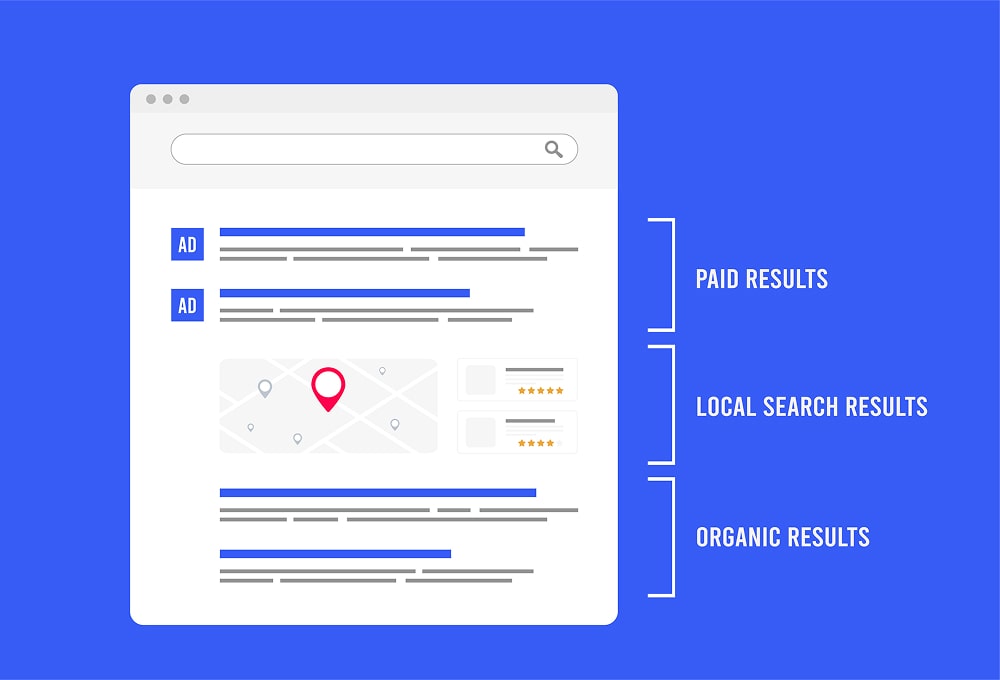
Manufacturers who invest in local SEO tactics like optimising Google Business Profiles, geo-targeted content, and encouraging reviews see clear growth in online discovery and leads, while those who don’t risk losing market share to more digitally savvy rivals.
That’s the danger of complacency. When markets evolve, visibility lost is rarely regained easily. Google rewards consistency and historical authority, so falling behind means a long climb back.
If your organisation has seen organic traffic decline after years of stability, use our SEO services to identify structural issues and improve your search visibility before further damage occurs.
Modern SEO: More Than Keywords
In the early 2000s, SEO meant tweaking tags, metadata and link density. Today, it’s an orchestration across disciplines:
- Technical SEO: Maintaining fast, crawlable, mobile-first sites.
- Content SEO: Producing original, credible material built around user intent, not mere keywords.
- On-Page Experience: Enhancing accessibility, design coherence and conversion pathways.
- Brand SEO: Managing reviews, PR mentions and online reputation signals.
The cumulative effect is authority. Google, Bing, and emerging AI search engines all measure digital trustworthiness. Businesses that consistently publish valuable insights, backed by first-hand data or authentic expertise, rise naturally.
If your content strategy feels misaligned with user search behaviour, our blog The Importance of SEO in a Digital Marketing Strategy explains how to align formats, tone, and topical depth with actual customer intent to improve relevance and rankings.
AI-Generated Content: Threat or Opportunity?
Generative AI has undeniably transformed how content is created. Tools like ChatGPT, Gemini and Jasper have accelerated production cycles, but they’ve also flooded the web with generic material, so called “AI slop”. This development poses both risk and opportunity.
The risk is sameness: if every brand outputs near-identical AI text, Google’s algorithms learn to ignore them. The opportunity lies in blending AI efficiency with human refinement: combining speed with perspective, data and real expertise.
TU Marketing typically recommends an AI‑assisted, human‑led model:
- Use AI only for idea structuring, keyword clustering or summarising research.
- Let writers infuse narrative, context and unique insights.
- Allow editors to verify accuracy and maintain voice consistency.
This hybrid model saves production time while safeguarding authenticity… and yes, it still ranks brilliantly when executed with intention.
If your organisation is experimenting with AI, our Local SEO In AI-First World Guide walks through how to balance innovation with credibility.
The Evolution of Link Building
Links remain part of the ranking equation, but not in the way they once were. Relevance and context now matter more than raw quantity. One organic mention on a respected industry publication can outweigh a hundred low-quality backlinks.
Modern link acquisition looks a great deal like public relations: sharing original insights, collaborating on studies, hosting webinars, and publishing interactive assets that attract citations naturally.
Brands that focus exclusively on technical tinkering or volume-based backlinks risk penalties or wasted budgets. True authority now depends on community credibility, not link farms.
If your business needs guidance on ethical, sustainable link-building strategies, we’ve outlined our process in How PR And Digital Marketing Can Work Together, designed to boost your reputation and improve search rankings simultaneously.
Local and Voice Search: Closing the Proximity Gap
Proximity has become a powerful force in search dynamics. Nearly half of all Google queries have local intent, and voice search usage continues to soar. That means brands ignoring location optimisation leave serious money on the table.
Local SEO in 2025 means:
- Maintaining accurate, unified NAP (Name, Address, Phone) data across citations
- Gathering structured reviews and using schema markup
- Optimising for spoken queries, typically longer and question-based
Even national brands can benefit from localising campaigns, showcasing regional expertise or warehouses to improve local relevance. If you operate multi-branch or hybrid models, TU Marketing’s Local SEO Service Suite provides the blueprint to scale your visibility regionally and nationally simultaneously.
SEO and Brand Synergy
Crucially, SEO should never operate in isolation. The most successful digital ecosystems treat optimisation as an amplifier of brand storytelling. Done well, it enhances public relations, social engagement and paid performance across the funnel.
Think of SEO as the thread weaving your digital presence together:
- PR earns media attention, SEO sustains it via discoverable archives.
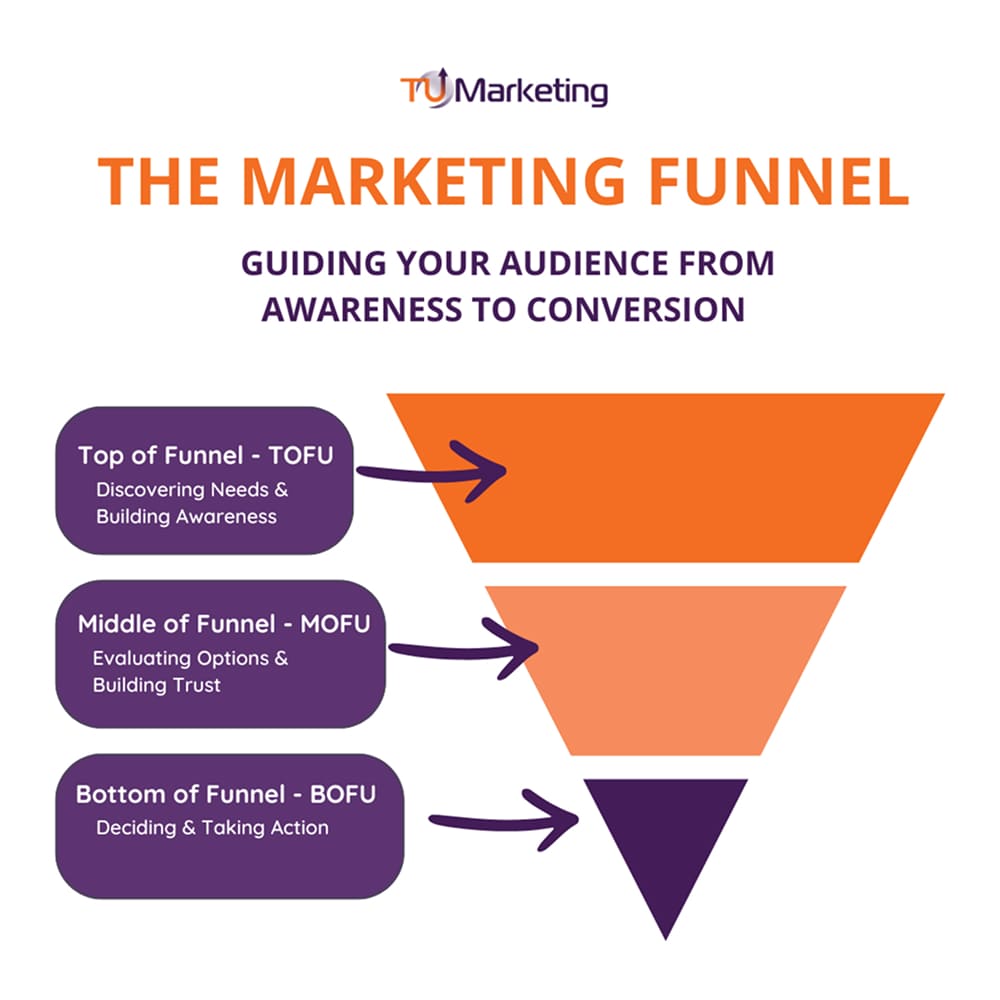
- Paid campaigns create initial awareness, SEO recaptures organic interest later.
- Content marketing articulates values, SEO ensures they’re found by the right audience.
Over time, these efforts compound. Customers rarely discover a brand via one channel anymore; they experience it across touchpoints. And when your story is consistently discoverable, that’s when trust solidifies.
To understand how TU Marketing integrates these elements under one strategic roof, explore our Integrated Digital Marketing Framework.
The Verdict: Worth It (With Strategy).
So, is SEO still worth it? Absolutely, when it’s treated as a strategic, long-term discipline rather than a set of technical chores. The rules have changed, but the underlying principle remains timeless: visibility drives opportunity.
SEO in 2025 is not about chasing rankings. It’s about building resilient digital credibility. The best-performing brands treat search not as a cost centre but as a long-term growth asset. And when properly maintained, that asset compounds; quietly, consistently, and profitably.
If you’re looking to start or renew your SEO investment, consider exploring our SEO Services. Our expert team crafts bespoke strategies to boost your visibility, drive targeted traffic, and unlock untapped growth potential.
Because in an age dominated by ephemeral trends and AI-powered noise, visibility that endures will always be worth it.